

AQUAGRO FARMS
CLIMATE CHANGE
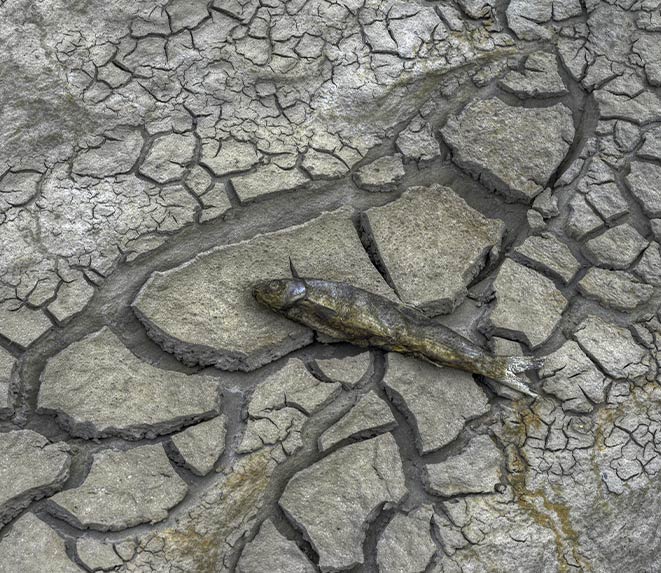
Our planet’s climate is changing. More severe weather events, droughts, floods, pests, fires and diseases impact humanity’s ability to produce and supply enough nutritious food. The poorest and most vulnerable, like populations in sub-Saharan Africa, will suffer disproportionally. New research suggests that one-third of global food production will be at risk by the end of the century if greenhouse gas emissions continue to rise.
Ironically, although climate change is putting food production at risk, it is in the production, distribution and consumption of food that greenhouse gasses are produced and released.
OVERFISHING
Overfishing results when fish are caught at a faster rate than the remaining stocks can replenish. This leads to an overall decline in fish populations, and can lead to a total collapse of aquatic ecosystems. According the to the World Wildlife Fund (WWF), almost 30% of commercial fish stocks are over-fished, and over 60% of fish stocks are fully fished.
The number of overfished stocks globally has tripled in half a century and today fully one-third of the world’s assessed fisheries are currently pushed beyond their biological limits, according to the Food and Agriculture Organization of the United Nations.

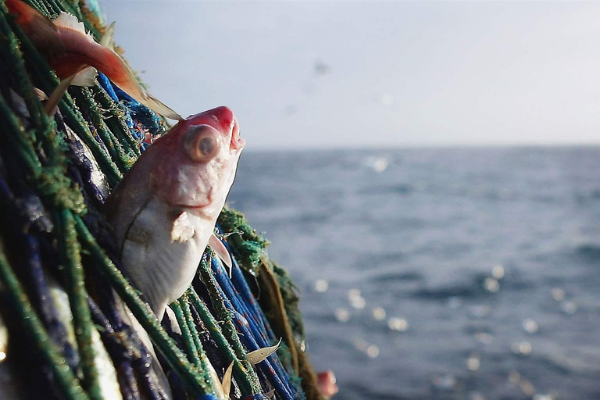
Additionally, overfishing affects the livelihoods of small scale and subsistence fishing communities resulting in malnutrition and increased poverty.
The damage done by overfishing goes beyond the marine environment. Billions of people rely on fish for protein, and fishing is the principal livelihood for millions of people around the world.
BYCATCH
With overfishing, comes bycatch, which is the capture of unwanted sea life while fishing for a different species. This causes the needless loss of billions of fish, along with hundreds of thousands of sea turtles and cetaceans every year. On average bycatch makes up 25% of all fish caught (but can be much higher), and is estimated to be 38.5 million tonnes per year.

FOOD AND NUTRITION INSECURITY
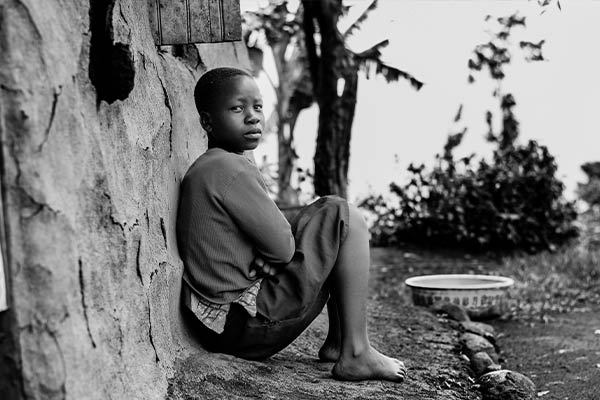
Climate change, conflict, an increased demand for protein and population growth are all factors contributing to global food and nutrition insecurity. Africa, and in particular sub-Saharan Africa, is the most food insecure region, having seen an increase of over 60 percent from 2019-2020. The current situation is exacerbated by COVID-19 and the subsequent lockdowns, job losses, and border closures.
SUSTAINABLE AQUACULTURE
Without sustainable management, our fisheries face collapse, and humanity faces a serious food crisis. We need a stronger focus on sustainable practices that conserve ecosystems, sustain livelihoods and ensure food and nutrition security.
While consumption of fish is promoted for health reasons, overfishing has placed strain on the world’s wild fisheries. In the future, with a growing world population, additional fish demand will need to be sourced through aquaculture.
Aquaculture is the key to sustainably producing the most efficient, high quality sustainable fish products, with a minimal carbon footprint, partly in indoor, closed-loop, environmentally friendly facilities.
The Food and Agriculture Organisation of the UN estimates that by 2030, nearly two thirds of the global fish supply will be from farmed fish or seafood. At the same time, an additional 50 million tons will be required to feed the world’s population.
